Why Stories Stick When Facts Don't
A speech changed the course of Indian independence. The man who gave it had no army. He had no money. He had a story that made millions of people feel they were part of something real. This is what the brain is actually wired to receive.
Leaning into our humanity means embracing the one skill that machines still struggle to do: the ability to weave facts and feelings into a great story.
The main lesson of all these posts is simple: We are not mostly logical creatures who sometimes get emotional. We are mostly emotional, social, story-driven creatures who sometimes get logical.
Six Messages the Old Brain Understands
Everything we've talked about fits into six types of messages that the old brain really listens to:
- Self-centred: Focus on the listener's safety, comfort, or happiness.
- Contrast: Show "Before" and "After" to help the brain understand the difference.
- Real Things: Use details people can touch and see.
- Beginning and End: Tell a story with a clear start and a clear finish.
- Pictures: Use words that make a "movie" play in the listener's head.
- Emotion: Connect your information to feelings.
The brain remembers pictures much longer than words. Whenever you can, your message should create a picture. Information with feelings attached is marked as "Important" by your brain, so it’s easier to remember later.
How to Make Ideas "Stick"
Two brothers, Chip and Dan Heath, studied why some ideas spread and others are forgotten. Their rules match how the brain works perfectly:
- Simple: Keep the idea short and clear.
- Unexpected: Surprise people to grab their attention.
- Real: Use images people can imagine touching.
- Trustworthy: Give people a reason to believe you (like a real example).
- Emotional: Make people feel something.
- Stories: Put your ideas into a story with characters.
The brain doesn't remember lists of facts; it remembers scenes from a story.
A Story from History: Subhas Chandra Bose
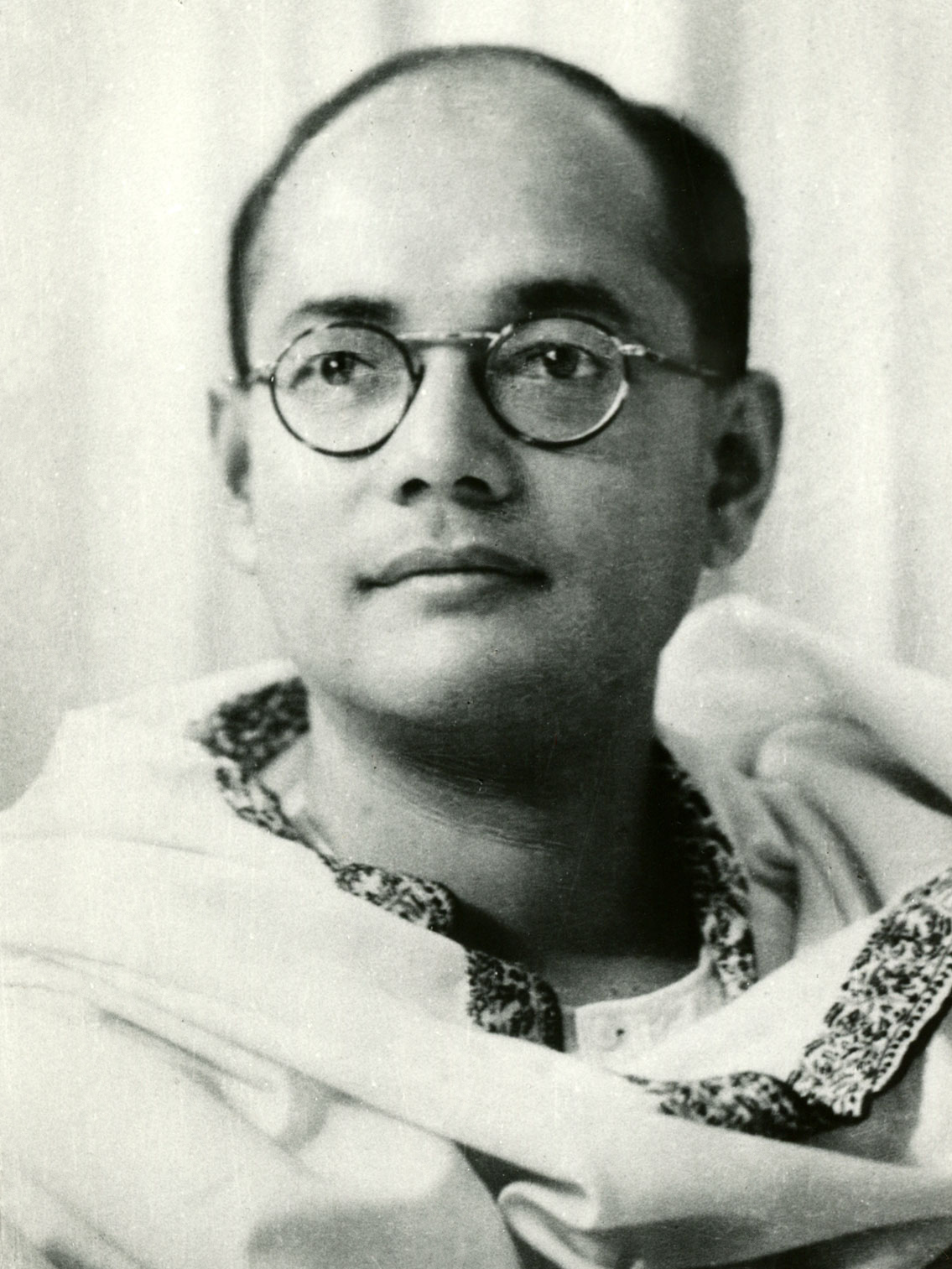 ExpandSubhas Chandra Bose: Head of State of the Provisional Government of Free India
Source: Wikimedia Commons, Public Domain
In 1933, an Indian leader named Subhas Chandra Bose traveled to Europe. He saw how powerful speeches could move huge crowds of people. He realized it wasn't just about the ideas; it was about how those ideas were shared.
He brought those lessons back to India. The British army had better weapons and more money, but the Indian people had a better story. It was a story that millions of people felt part of. The same tools of storytelling can be used for good or for bad, but they are always the most powerful way to lead.
The 12 Most Powerful Words
- You | 2. New | 3. Save | 4. Results
- Easy | 6. Health | 7. Love | 8. Discovery
- Proven | 10. Safety | 11. Guarantee | 12. Free
These words aren't magic, but they show what the old brain cares about most: Am I safe? Can I do this without too much work? Is this for me?
Conclusion: The Storyteller and the Logic
Think of your brain like this: The emotional brain is the one who actually writes the book of your life. The logical brain is just the person who reads the book out loud to others.
To be a great communicator, you have to talk to the brain as it actually is. The stories that changed history didn't win because they had the most data. They won because they gave us a better picture of who we are and who we could be.
Millions of years later, the story is still the most important thing.
Further Reading and Watching
Keep reading