The Biology of Our Best and Worst Selves
A deep dive into Robert Sapolsky's research on the biology of human behavior, from the amygdala's split-second reactions to millions of years of evolutionary history.
The factory settings from the previous post describe the brain's defaults: resist change, save energy, follow the crowd. But they don't explain the extremes. Why do we commit atrocities? Why do soldiers stop a war to play soccer on Christmas Day? That is what Robert Sapolsky has spent decades investigating. To understand these behaviors, we have to look beyond simple labels like "evil" or "wicked."
The Complexity of Violence
We are a miserably violent species. We use airplanes as weapons, showerheads to deliver gas, and mass rape as a military strategy. But the complication is that we don't actually hate violence: we hate the wrong kind of violence. When it's the "right kind," we cheer it on, hand out medals, and vote for the champions of it.
At the same time, we are an extraordinarily kind and compassionate species. Making sense of these best and worst behaviors is the real challenge. It's not enough to understand the physical movement of a behavior (the brain telling the spine to move a muscle). What matters is the meaning of the behavior. Pulling a trigger can be an act of murder or an act of heroic self-sacrifice.
To understand why we do what we do, we must realize that no single brain region, hormone, or gene explains everything. Instead, every behavior has many different layers of reasons. The first post in this series sketched this as a quick list of timescales. Sapolsky's research pulls each level apart:
The Hierarchy of Reasons: From Seconds to Millions of Years
Consider a scenario where you pull a trigger in a moment of crisis, mistaking a cell phone for a handgun. To understand why that happened, we have to look backward in time across several scales.
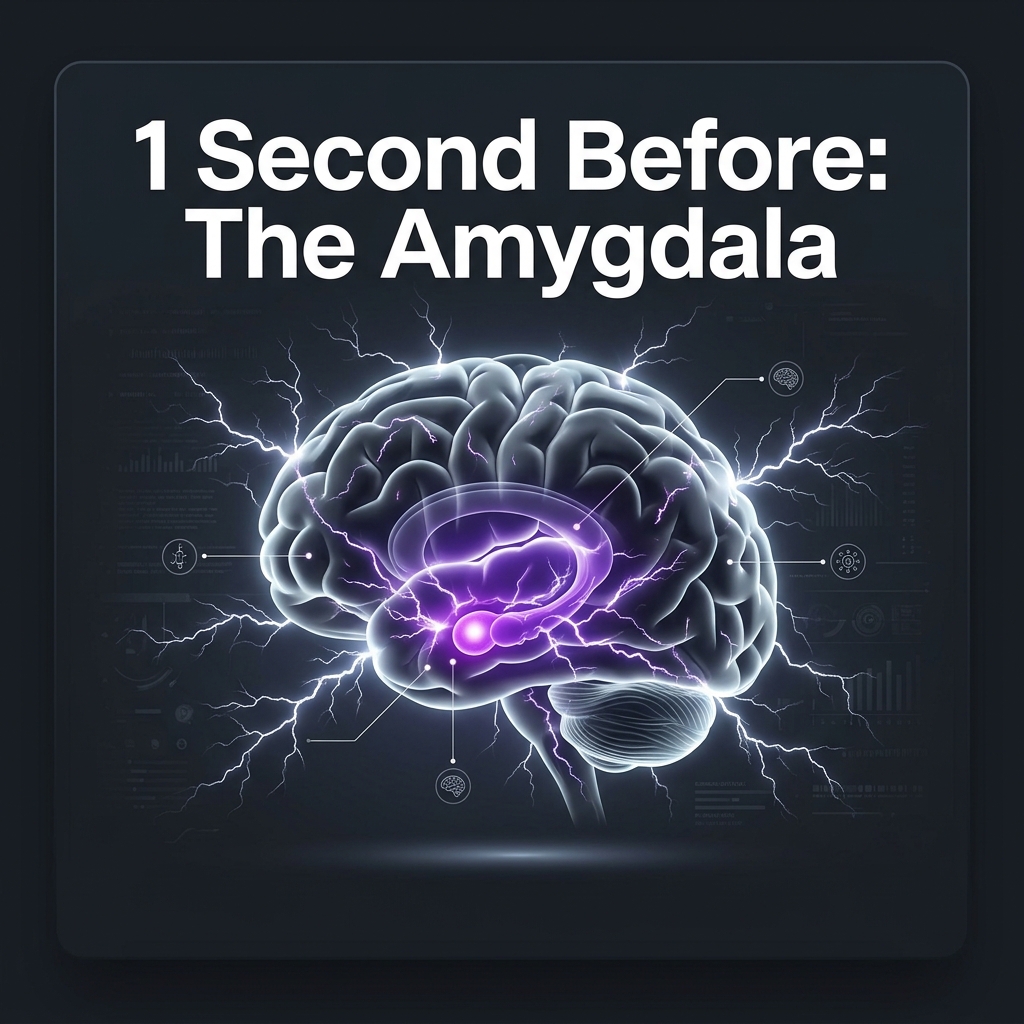 ExpandOne second before: The Amygdala (Fear) and Frontal Cortex (Thinking) battle for control.
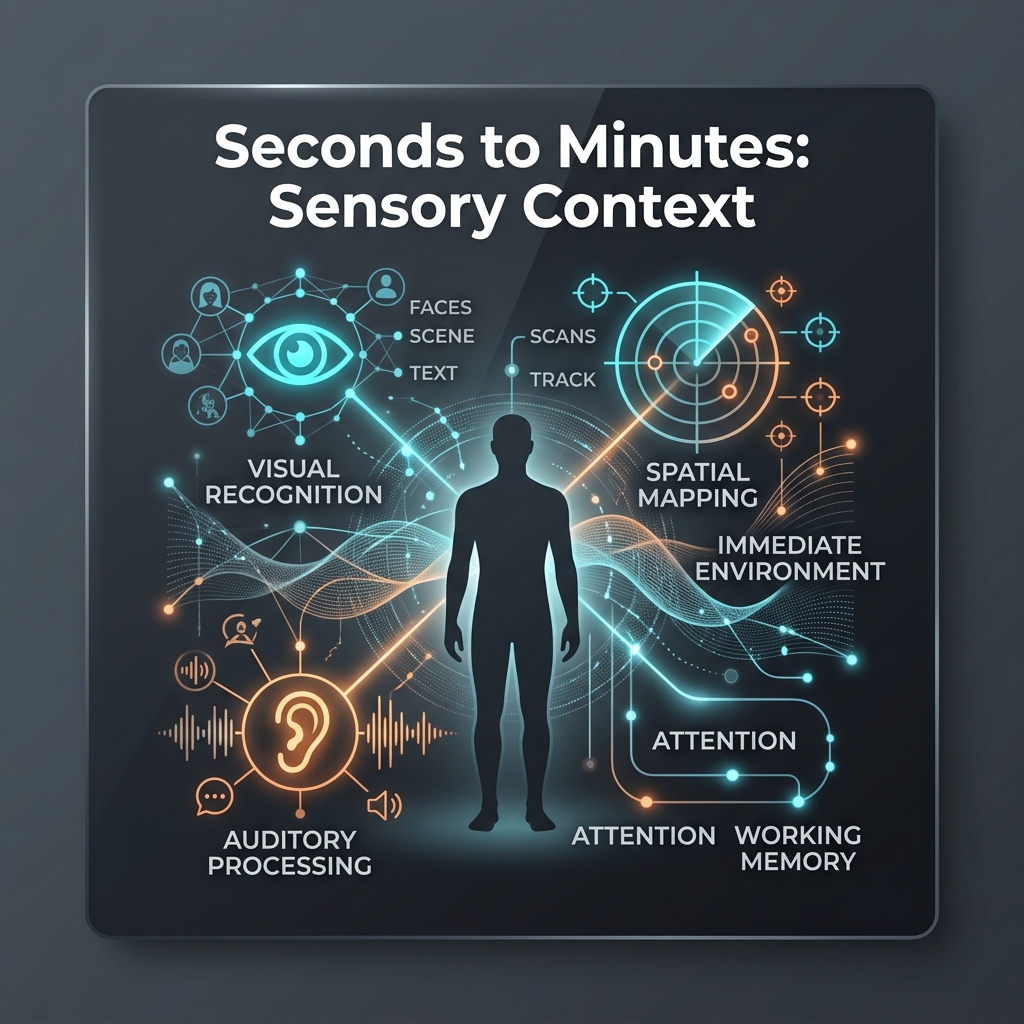 ExpandSeconds to minutes: How your environment (hunger, tiredness) clouds your judgment.
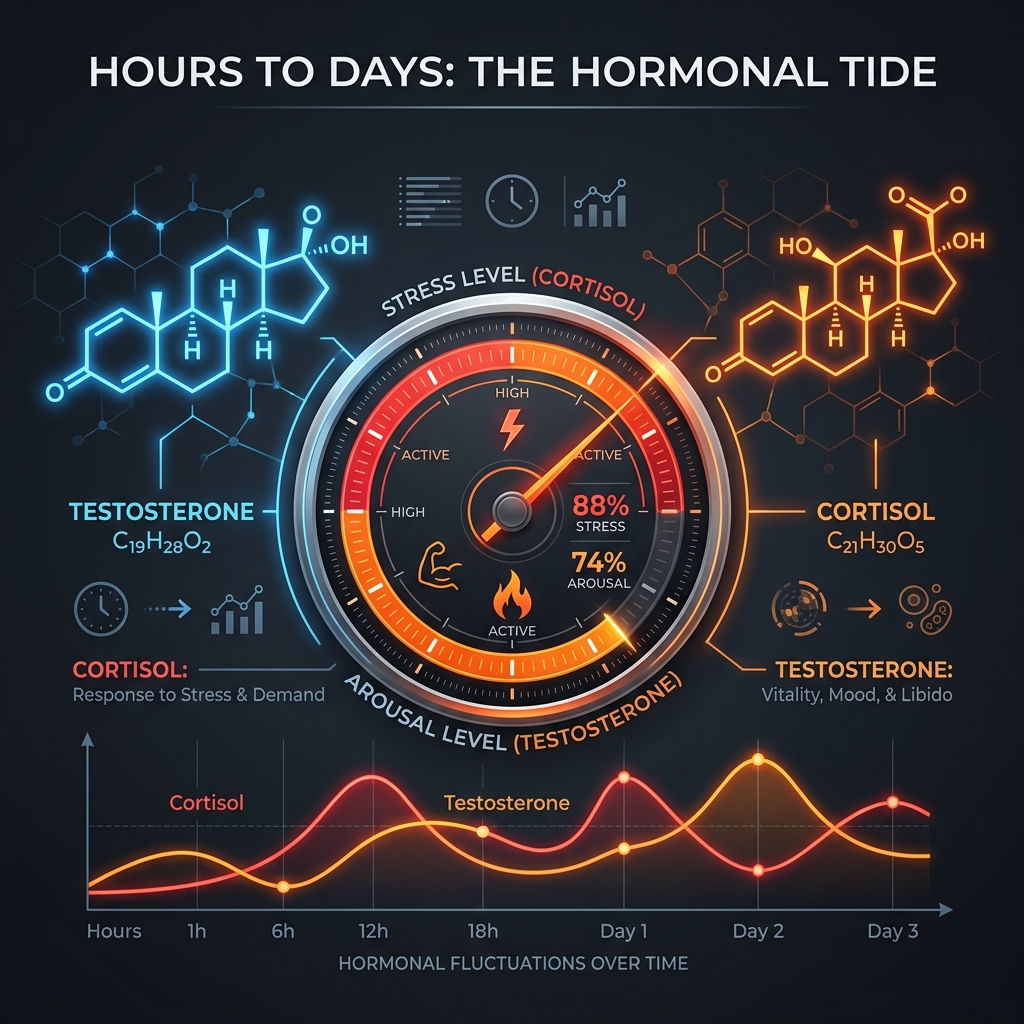 ExpandHours to days: Stress hormones prime the system for aggression.
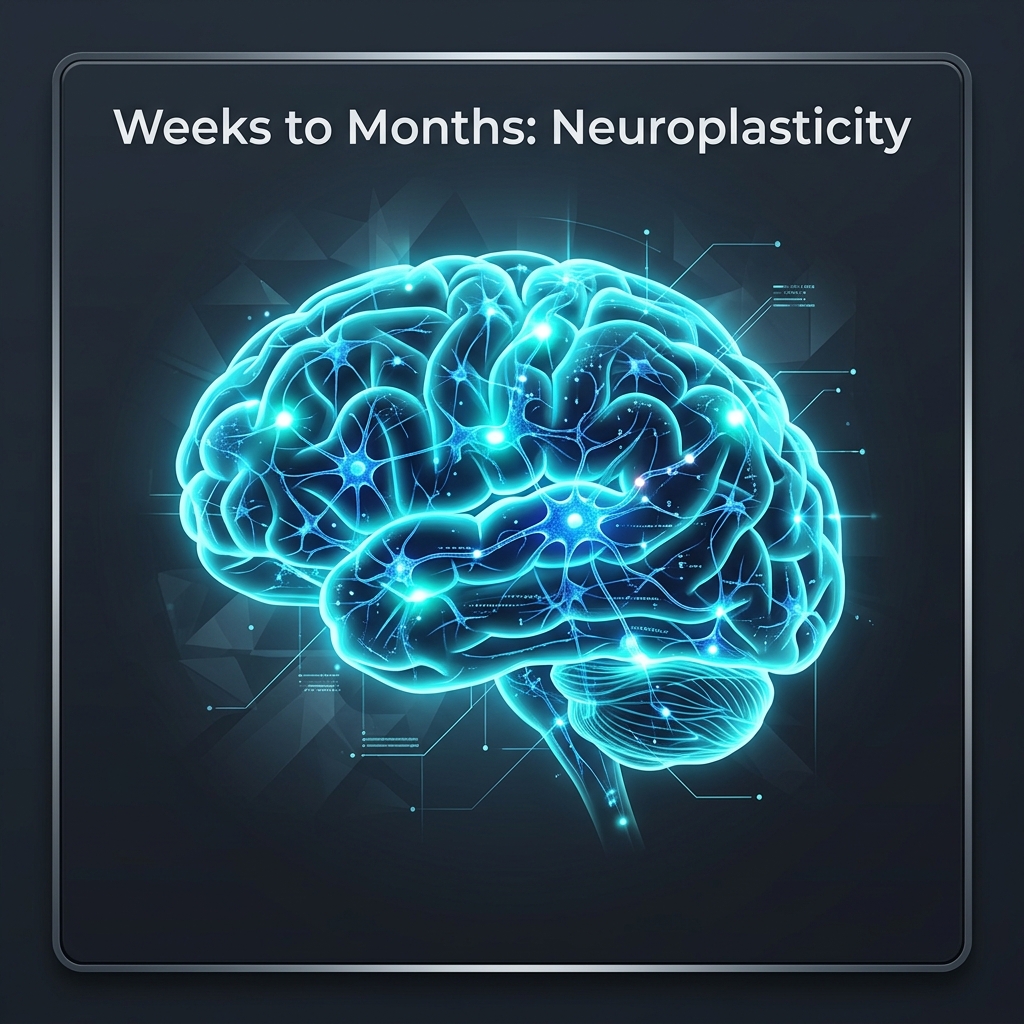 ExpandWeeks to years: How chronic stress rewires the brain's circuitry.
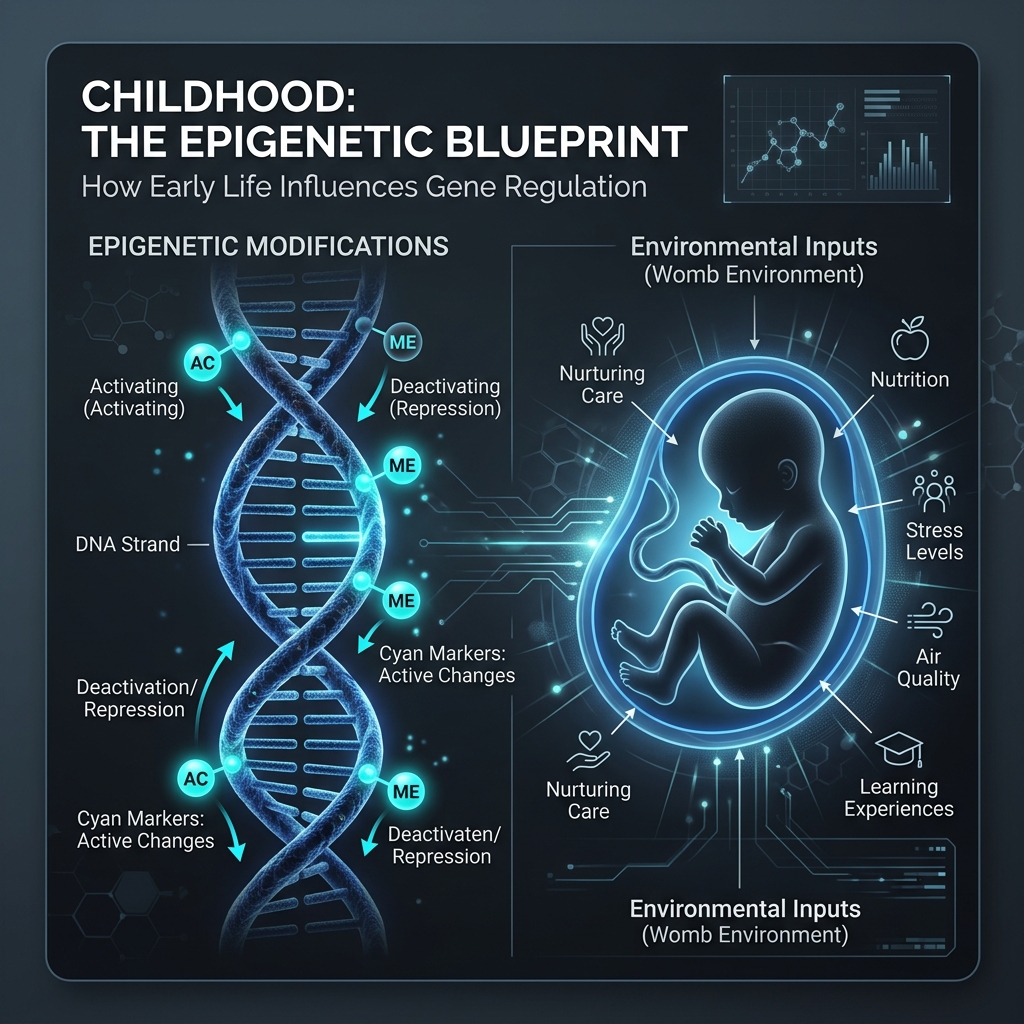 ExpandChildhood: How early life turns certain genes 'on' or 'off' permanently.
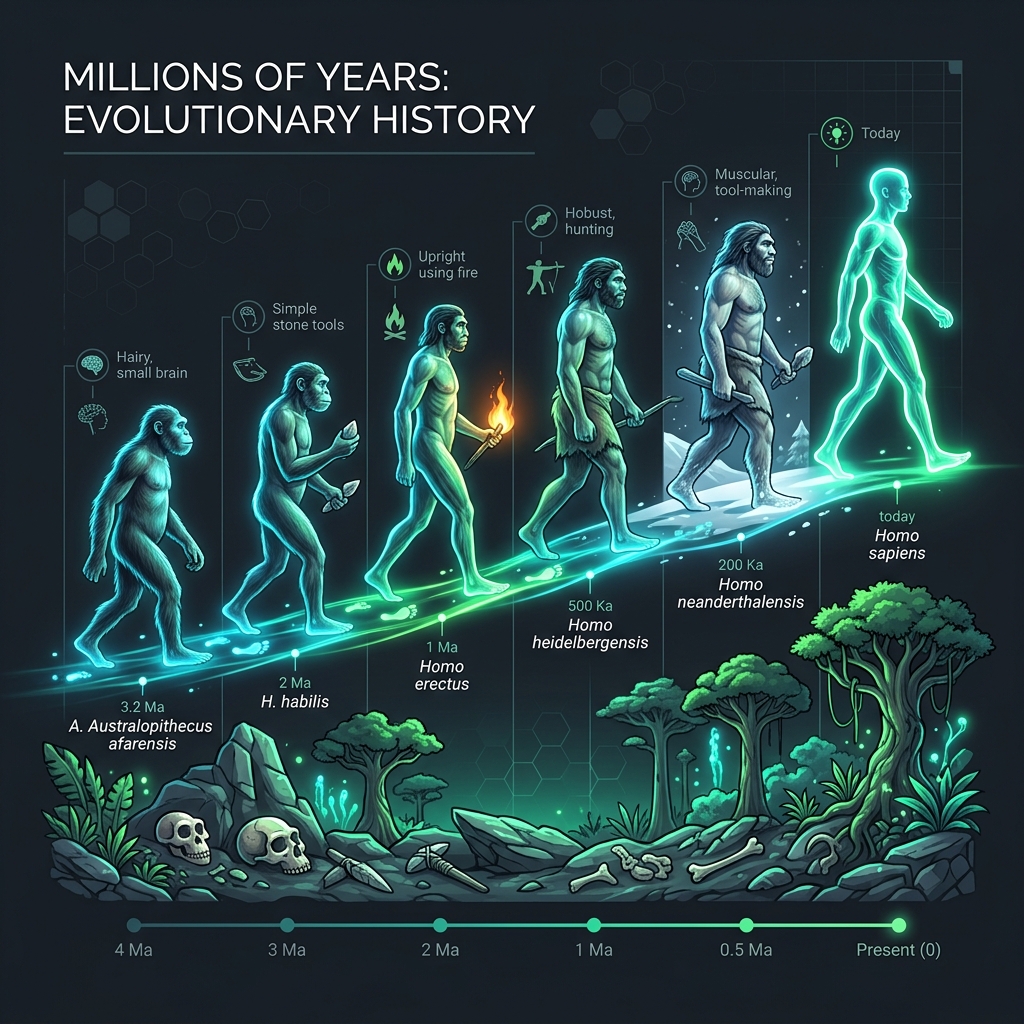 ExpandMillions of years: Ancient pressures that created both violence and kindness.
- One Second Before (The Amygdala): We look at the amygdala, the part of the brain that handles fear and anger. Its job is to react instantly. At the same time, we look at the frontal cortex, the thinking brain, whose job is to "get to the amygdala in time" and ask: "Are you really sure that's a gun?"
- Seconds to Minutes (Sensory Input): What was happening around you? You are more likely to make a mistake if you are in pain or hungry. When you are tired, your thinking brain becomes slow, making it harder to stop the amygdala from reacting.
- Hours to Days (Hormones): High stress hormones activate the fear center and make it harder for the thinking brain to stay in control.
- Weeks to Years (Brain Rewiring & Adolescence): If you've been under a lot of stress lately, your amygdala can actually grow larger. This combines with your age: the thinking brain doesn't fully finish growing until you are 25 years old. Younger brains have a full-throttle engine but half-baked brakes.
- Childhood & Early Life (Epigenetics): Experiences during this time can cause epigenetic changes: this means life experiences turn certain genes "on" or "off" for a long time. Stress before birth can make an amygdala that gets scared more easily later in life.
- Centuries to Millions of Years (Culture & Evolution): The values of your ancestors still influence your split-second reactions today. Ultimately, we are a species that evolved with the capacity for both extreme violence and extreme kindness.
The Single Most Important Point: Change
If the biology of behavior tells us anything, it's that it is complicated. But the most important lesson is that biology can change.
Ecosystems change, cultures change, and most importantly, brains change. Brain cells grow, connections break, and people transform.
Extraordinary Examples of People Changing
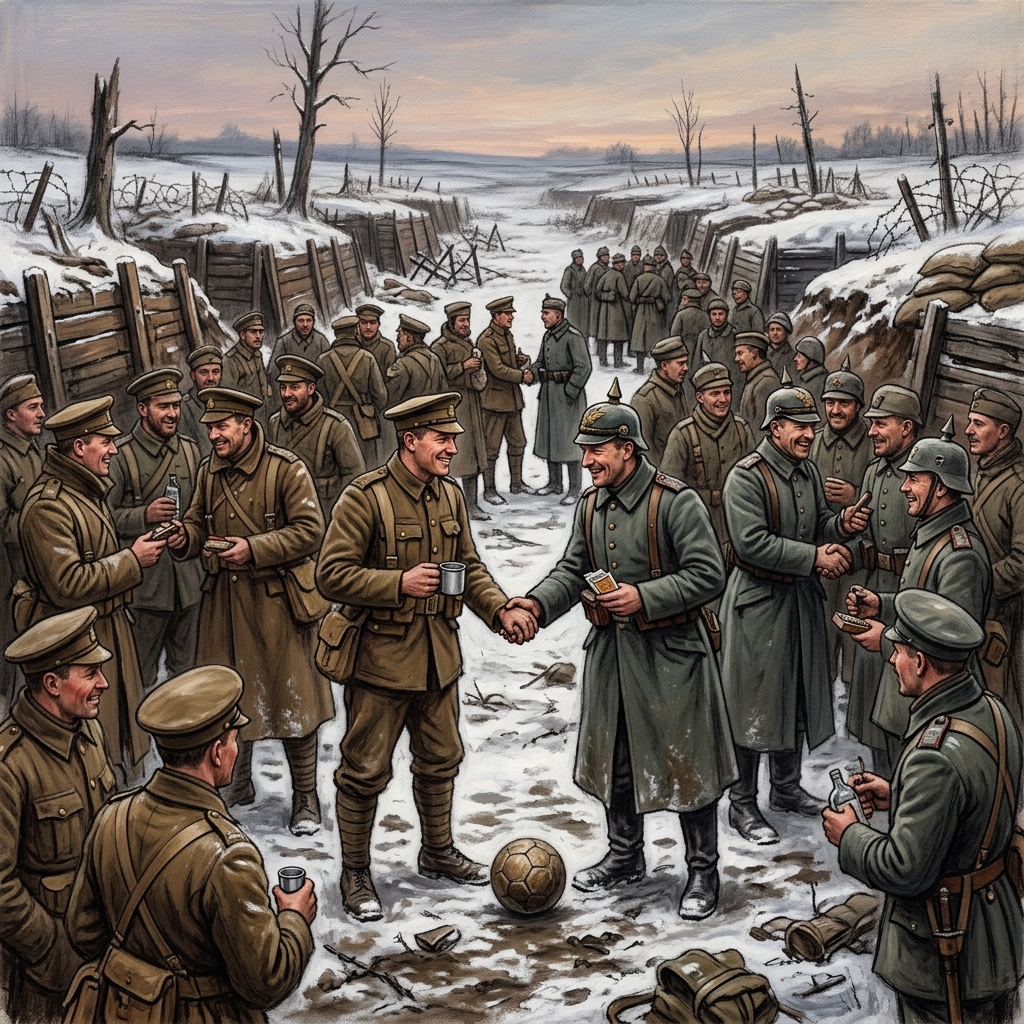 ExpandThe 1914 Christmas Truce: a moment where 'us' and 'them' were redefined in hours
- John Newton: A slave ship captain who grew rich from human misery, then changed his life, helped end slavery, and wrote the hymn Amazing Grace.
- Zenji Abe: A Japanese pilot who led an attack on Pearl Harbor and, 50 years later, traveled back to apologize and hug the survivors.
- The Christmas Truce of 1914: During WWI, British and German soldiers stopped fighting for a few hours to bury their dead, exchange gifts, and play soccer. It took only a few hours to stop seeing each other as enemies.
- Hugh Thompson: The helicopter pilot who stopped a massacre in Vietnam by landing his craft between soldiers and civilians, even telling his own crew to fire on their fellow soldiers if they didn't stop the killing.
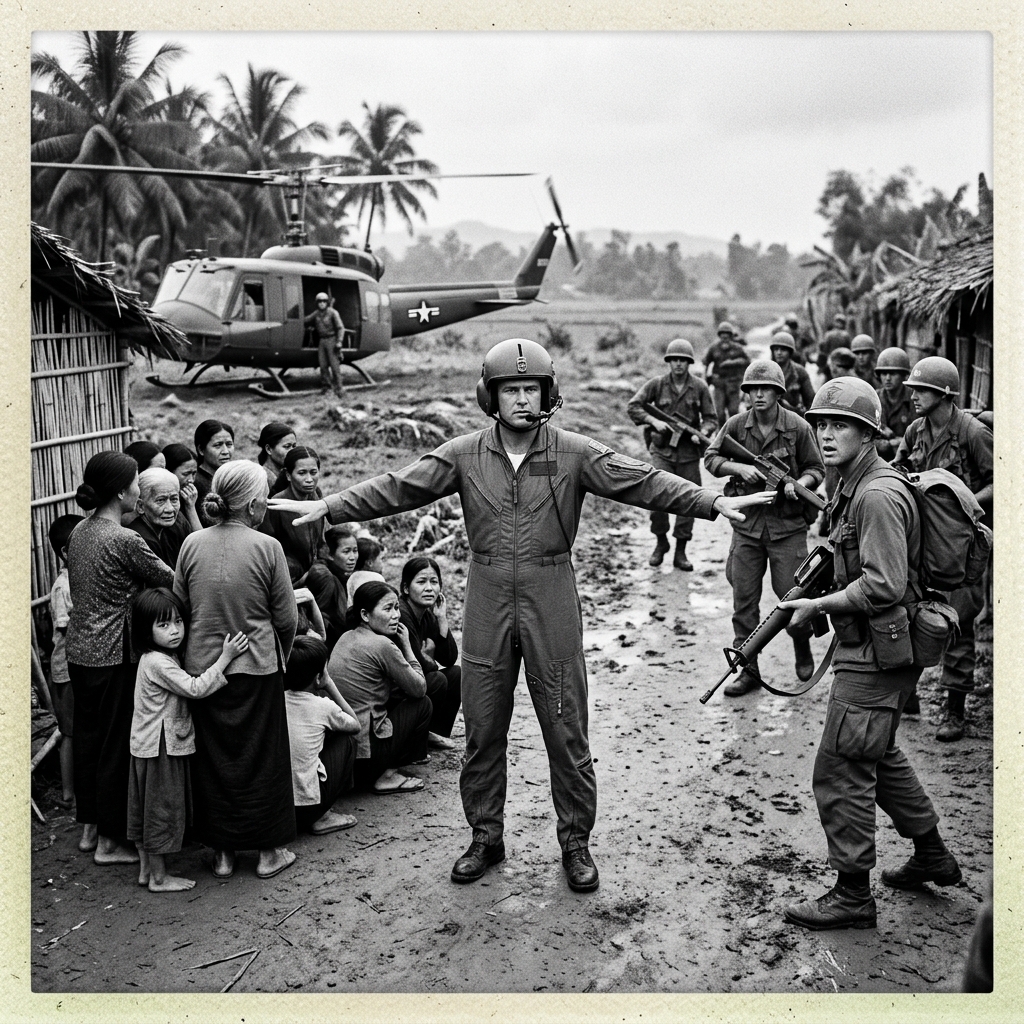 ExpandHugh Thompson Jr.: the pilot who chose humanity over orders at My Lai
These people aren't special: they have the same brains as any of us. The lesson is that we must study the history and biology of extraordinary human change. Those who don't are destined to remain stuck in our worst behaviors, missing out on these magnificent moments.
If the biology of change gives us hope for the long term, we still have to navigate the psychological traps of the present: specifically, how our brain is tricked by something as simple as contrast.
Further Reading and Watching
Keep reading